
Architecture
Before Prompting
Becuase I sit at the intersection of product design, software architecture and AI-assisted development, I design the architecture before the team starts building.
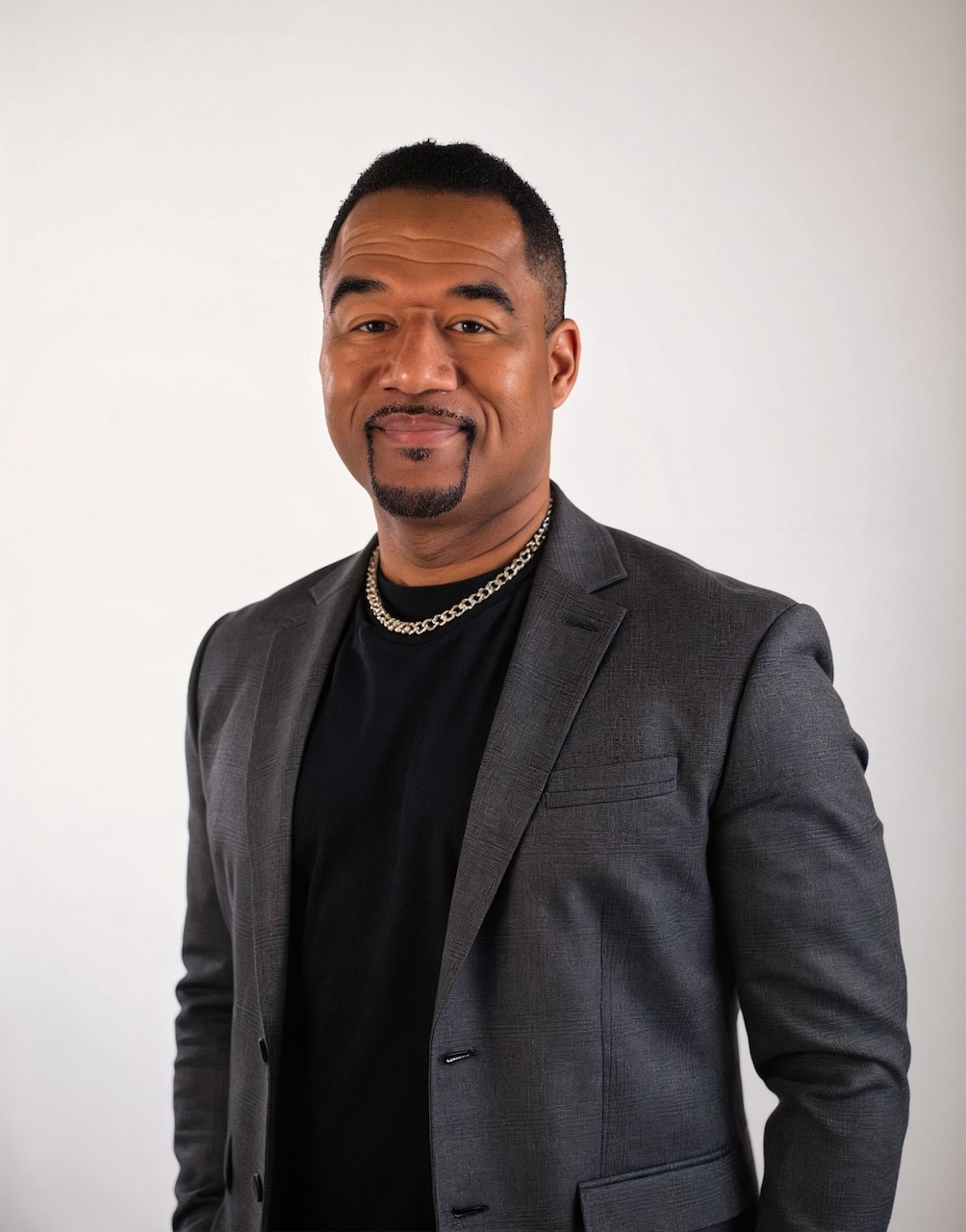
Darryl Mack
Lead Software Architect
My Approach
AI development tools are powerful. Without the right architecture, that power produces fast prototypes that fall apart under real conditions. I design the architectural foundations first then build on top of them.
This isn't theoretical. I build with Claude Code every day. I've shipped AI-powered products, hit the same walls your team is hitting, and developed the architectural approach that prevents them.
Most AI initiatives fail not because the technology is wrong, but because nobody connected the product strategy to the software architecture. My engagement solves both sides: defining where AI creates tangible business value, then designing the architecture that ensures it actually ships as production-grade software.
My clients are CTOs and VPs of Product at companies doing $20M+ in revenue who've invested in AI but aren't seeing the returns they expected. I provide one engagement over ten weeks that gets your team from stuck to shipping.
One Engagement with Four Phases
Product Strategy
Defining where AI solves real customer problems and creates tangible business value.
Architecture
Data models, coding standards, and component patterns designed before the first prompt is generated.
AI Integration
Engineering the AI integration into the software.
Pilot & Handoff
A validated pilot built on the hardest part of the system, then a handoff your team builds on daily.
The Full Stack
Product strategy through production code. Every engagement draws on all of these skills.
AI Product Strategy
I help companies see where AI creates product capabilities that didn't exist before. That means finding the specific places where RAG pipelines, LLM integrations, and intelligent workflows turn your existing data into features your competitors can't replicate.
Software Architecture
Every system needs a structural foundation the team can trust. I design C4 models, data model architecture, API contracts, and component dependency maps that become the single source of truth for how the system works.
AI-Assisted Development
I write the coding standards, rules files, and prompt guidelines that make tools like Claude Code and Cursor produce coherent, production-grade output instead of a patchwork of conflicting patterns.
Full-Stack Product Design
Twenty years across UX, frontend, backend, and database architecture means I see how all the pieces connect. I bring JTBD mapping, use case evaluation, and information architecture together into product roadmaps that hold up under real development.
API Orchestration & Integration
Most AI features fail at the integration layer — where the LLM meets the business system. I design how services talk to each other, coordinate data flows across APIs, and build the connective tissue that makes AI feel native rather than bolted on.
Data & State Architecture
I design the state management patterns, real-time data subscriptions, and data pipelines that determine whether your AI features work with live data or stale snapshots. This is the layer that makes everything else feel responsive.
From Idea to Launched
20+
Years Building Software
100+
Products Shipped
40%
Velocity Increase at Audacy
Professional Journey
Founder & AI Architecture Consultant
Venture Maker LLC
AI architecture consulting for mid-market companies. I design the product strategy and software architecture that makes AI-assisted development produce real results — then build the pilot myself and hand off a system the team uses daily.
Lead Developer — React Native
Watts Water Technologies
Field technicians were losing data in environments with no connectivity. I bet on React Native, designed an offline-first state architecture, and built a sync system that reconciled data whenever connectivity returned. The app became a daily tool for field teams across challenging environments.
Senior Application Developer
PennyMac Loan Services
React was barely a year old and most enterprise teams wouldn't touch it. I saw that component-based architecture would change how frontend applications scale. The patterns I established became company standards — and the foundation for everything I've built in the decade since.
Digital Marketing Manager
Toyota North America
Coordinating across Product, Creative, and Engineering teams taught me that most project failures aren't technical — they're translation failures. I learned to hold both conversations: translating technical constraints for business stakeholders and business intent for engineering teams.
Director, UX/UI & Product Management
Bennett Productions
A digital television show needed to reach audiences across 20 different media platforms. The challenge — one system, many surfaces — is the same problem every modern product team faces. How does the architecture flex without breaking?
Founder | UX Designer | Developer
Next Level Studios
I started building for the internet when there were no playbooks. Disney/ABC, Interscope Records, Warner Bros. — these companies wanted interactive experiences and nobody knew exactly what that meant yet. So I figured it out by doing all of it: pitching, designing, coding, managing, shipping.
Ready to Build Your AI Vision?
A 30-minute conversation will tell us both whether this is the right fit. No pitch — just an honest look at where you are and what would actually help.
Book a Free ConsultationNot ready for a call? Follow along for AI architecture insights.
LinkedIn