Software Architect that CodesI design the software architecture. Then I build the codebase.

Darryl Mack
Software Architect & Engineer
I help take software from ideas to delivered products using an approach of Architecture Before Prompting. By defining data models, API contracts, and component patterns upfront with React, Next.js, TypeScript, OpenAI, and Anthropic, I stop code divergence before it starts. Once the architecture is locked, I work as a lead developer to write the production code your team needs to ship.
Darryl Mack
Software Architect & Engineer
Architecture Before Prompting
AI tools are powerful — and without the right architecture, that power produces fast prototypes that fall apart under real conditions. I design the foundation first, then build on top of it. This isn't theoretical: I'm in Claude Code every day, and I've shipped AI products.
Software Architecture First
Before writing a single prompt, I design the application’s underlying software architecture. I visually map out the data models, component hierarchies, state machines, and services. This defines a structural framework that ensures the web application remains stable, predictable, and clean before any code is generated.
Context Engineering
Once the software structure is defined, I design the prompt strategy and context layers around those exact system boundaries. This ensures that your RAG patterns, APIs, and data payloads map perfectly into the application's state and component logic, rather than causing code divergence..
Accelerated Implementation
I merge the software architecture with targeted context engineering to accelerate the actual build. The architecture defines what needs to be built, while structured prompts accelerate how the solution is coded—delivering a coherent, production-grade Next.js/React codebase at high velocity.
How I Work
Idea
A deep dive into the problem you're solving, your systems, and where AI actually fits by reviewing your product requirements, current API endpoints, and frontend architecture.
Architecture
Visually model the data models, component hierarchies, service layers, and state machines. Every architectural decision is documented with its rationale.
Development
Build full, production-ready application sections and major feature modules in React and Next.js. I use the architecture to define what to build, and context engineering to accelerate coding the solution.
Launch
Your team gets the architecture, the standards, and the working code. I walk them through the system and make sure the handoff is real — velocity they own.
Work Shipped.
Industrial Scientific
87.5% less boilerplate · 100% pattern consistency
Gas-detection and worker-safety monitoring used by field workers, safety managers, and admins across industrial environments. Built three foundational systems the engineering team builds on: a Zustand-based global state for device data, fleet status, and alarms; global error handling with recovery flows; and a Tailwind-based UI component library.
Audacy
40% faster delivery
A streaming-audio platform serving millions of listeners. Introduced C4 architecture modeling to an engineering team shipping without a shared architectural language — giving product and engineering a common vocabulary for system design.
Idea Genius
Idea to investor-ready
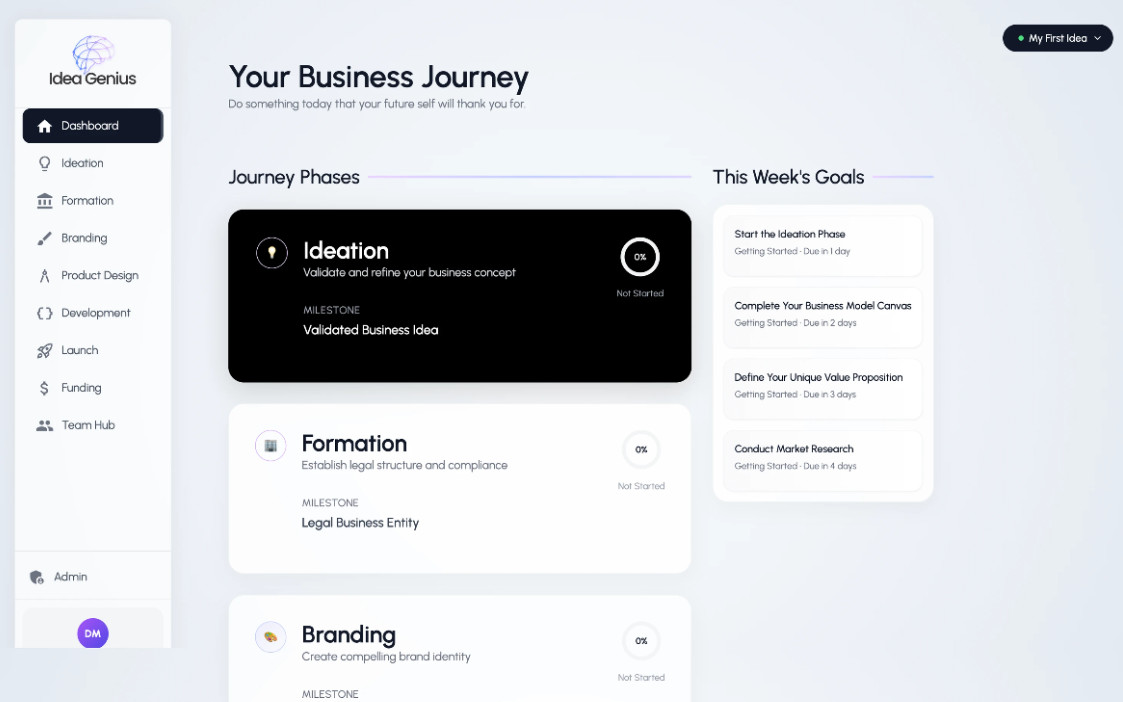
An AI-powered startup development platform that guides entrepreneurs from concept through launch. A multi-step RAG pipeline threads context across 40+ steps, each one building on every decision before it.
Full Answer
Three engines. One search.
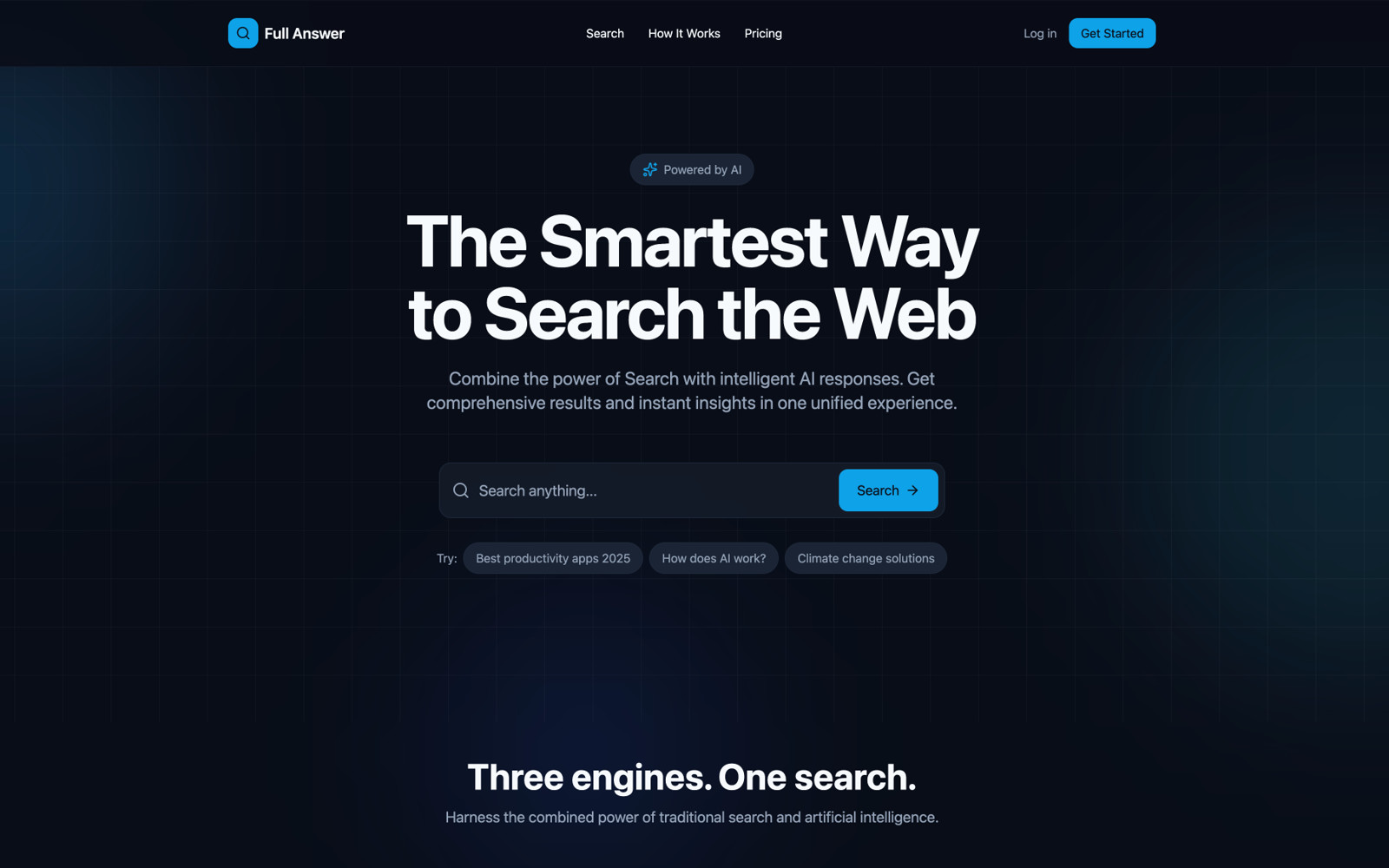
AI-enhanced search with persistent context. Unlike standard AI search that forgets everything between queries, Full Answer maintains the thread of thought across queries for a more coherent, accurate experience.
Production Genius
The whole production, in one place.
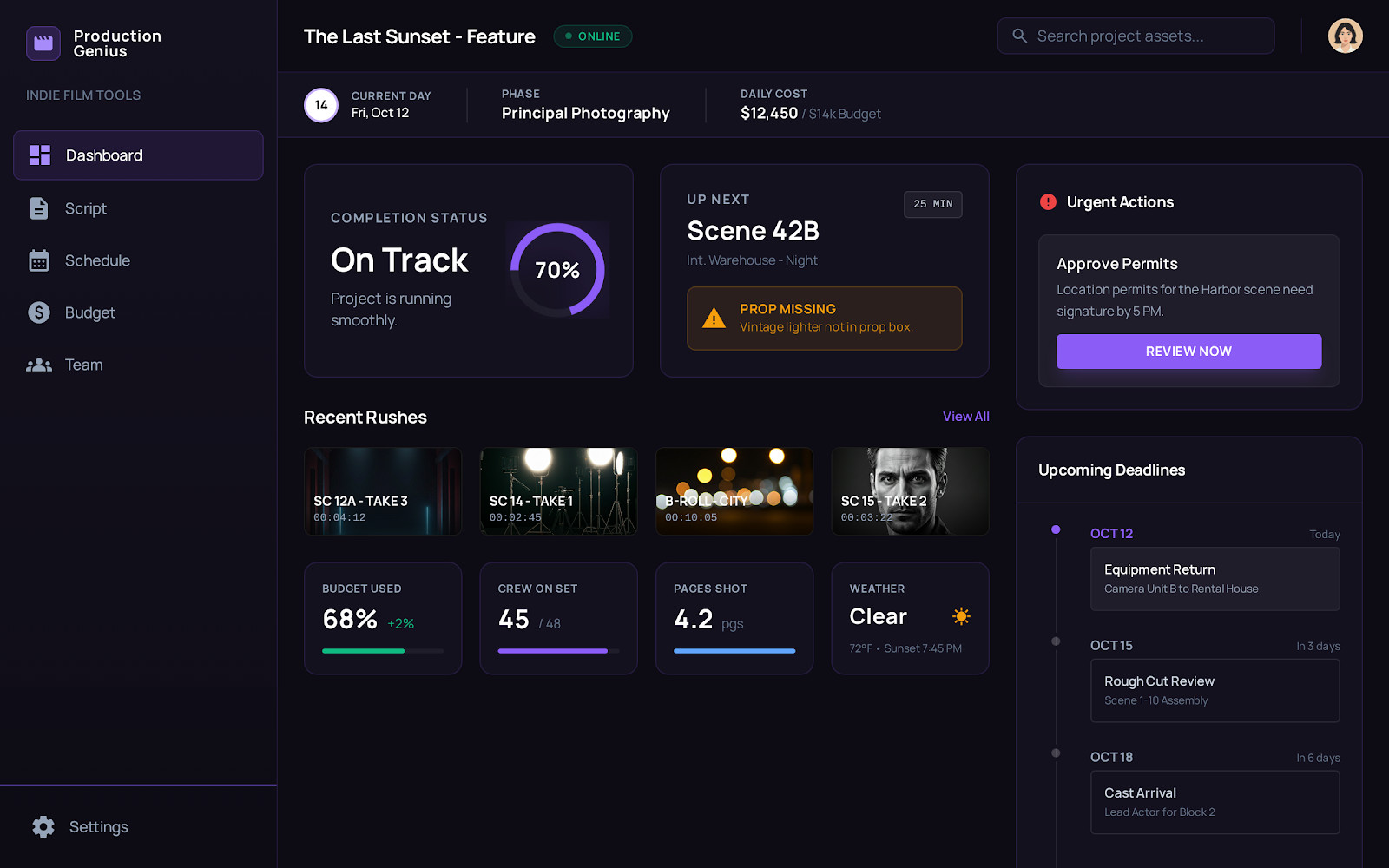
Film and video production management for content teams — scripts, media assets, cast and crew, scheduling, and deliverables across the full production lifecycle, on the shared Next.js/Firebase architecture that powers the portfolio.
Crew Genius
Coverage, sorted.
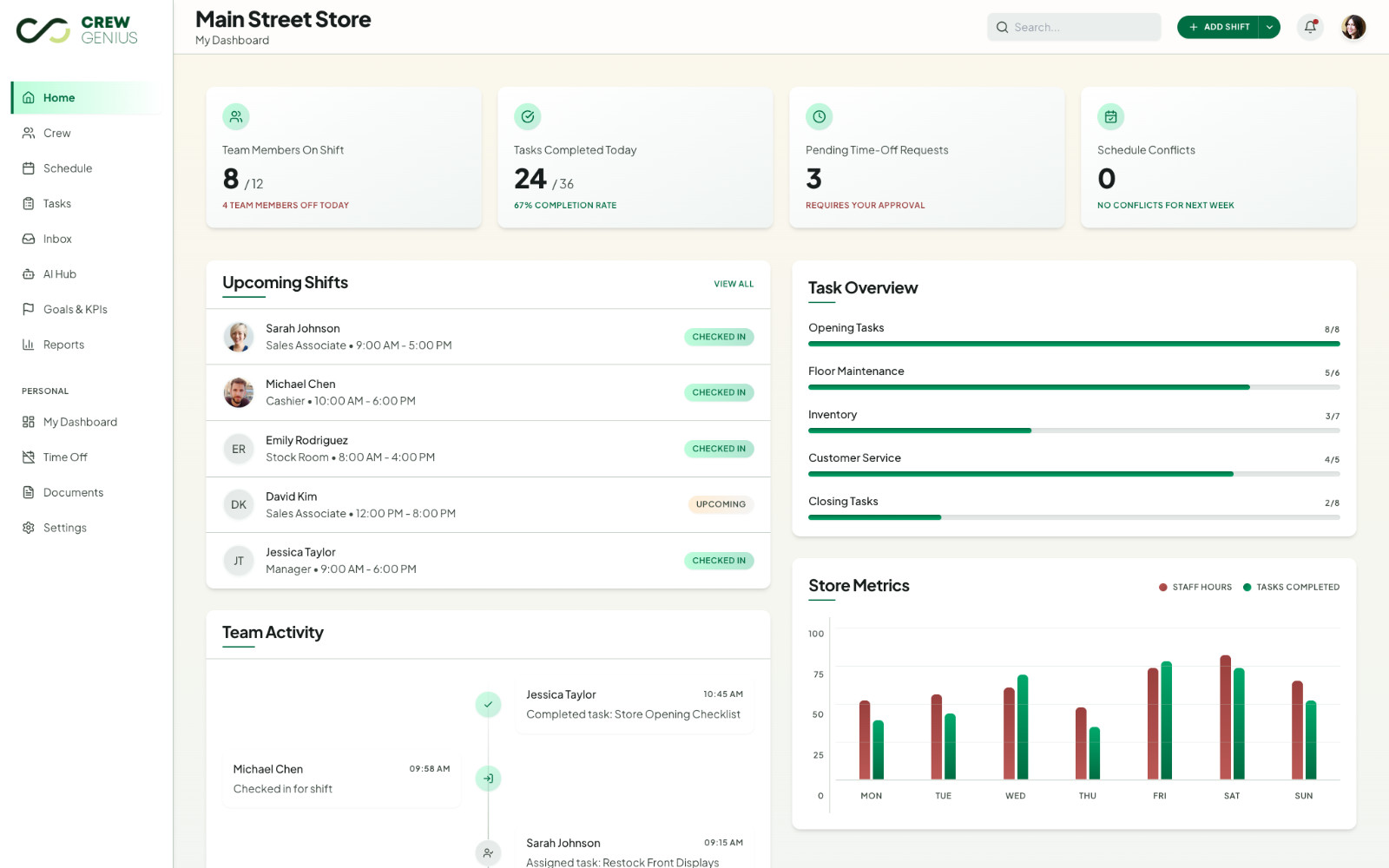
Design-first workforce management for retail and hospitality, built crew-first — people, availability, and coverage gaps before shifts. Consolidates crew information into a single person detail page, on the shared template architecture behind a family of SaaS products.
Need a Software Architect Who Writes Code?
Let’s look at your current application architecture, data models, and upcoming feature roadmap to see if I’m the right fit for your team.